

Here is a scenario that plays out at more brands than most advertising teams would admit. Someone in a leadership meeting asks a reasonable question: Which of our customers bought once and haven't come back? Or: did that DSP campaign actually drive incremental sales, or did it just take credit for purchases that would have happened anyway? Or: which audience segment is quietly worth more than our dashboard suggests?
Everyone agrees these are the right questions. Then someone says they're AMC questions, and the room goes quiet, because most marketing teams have never actually opened Amazon Marketing Cloud.
That's not unusual. AMC is one of the most powerful resources Amazon gives advertisers access to, and one of the least used, because working with it natively requires writing SQL queries against a clean-room database. For a brand manager or PPC specialist with a full plate, that's a steep ask, even as Amazon has started lowering the barrier with a generative-AI SQL generator built directly into the native console.
What is Amazon Marketing Cloud?
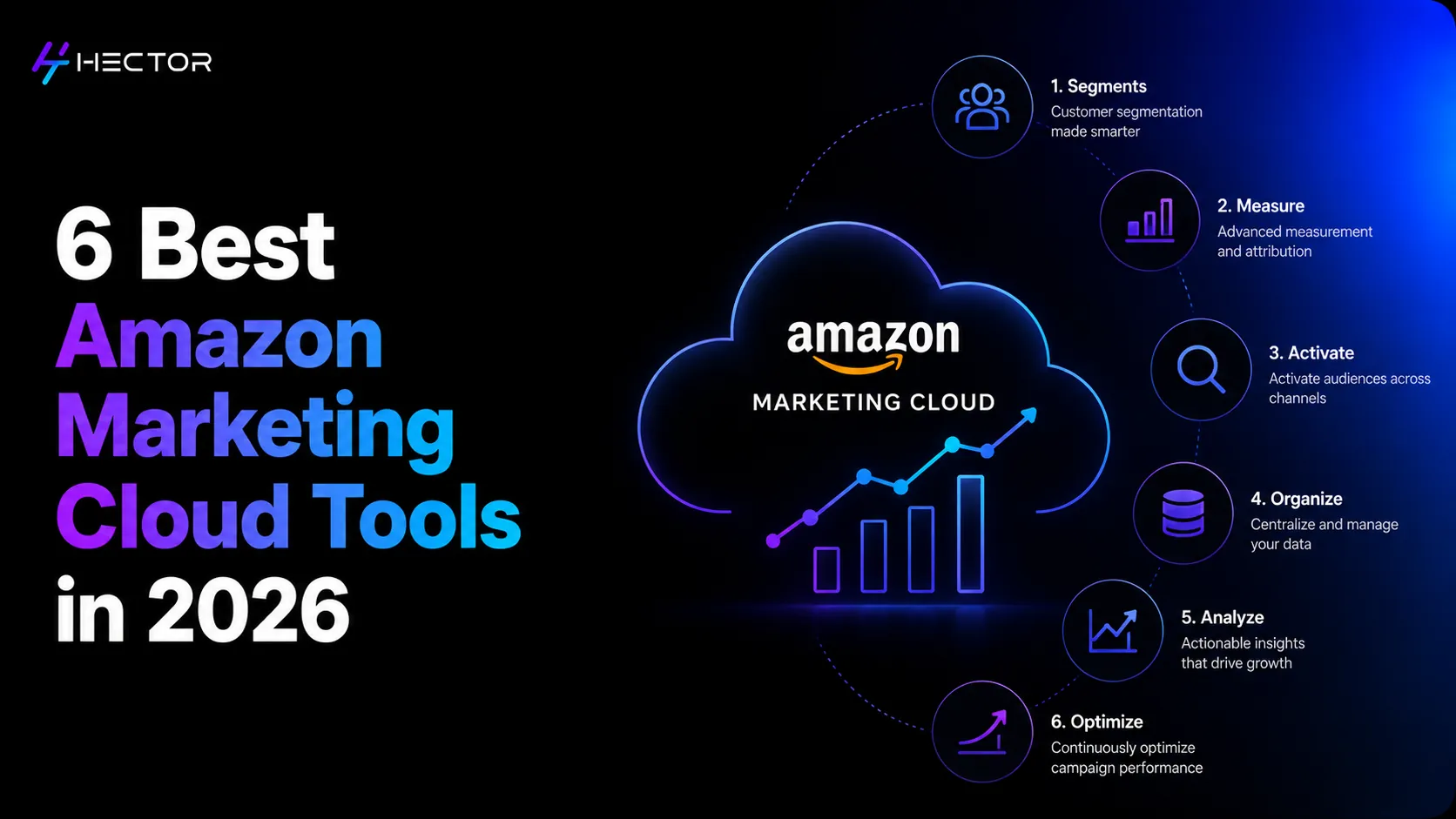
Amazon Marketing Cloud is a free, privacy-safe data environment that Amazon provides to advertisers for cross-channel measurement, audience building, and understanding the full path a customer takes before buying. It combines your advertising data (impressions, clicks, and conversions across Sponsored Ads and DSP) with Amazon's own shopping signals, in a clean-room environment where no individual shopper is identifiable.
At unBoxed 2025, Amazon extended AMC's data retention window from 13 to 25 months. That change matters because it is what makes genuine year-over-year analysis and full seasonal comparisons possible, rather than working off a rolling 13-month window that cuts off before a full cycle completes.
The practical barrier has always been access. The native AMC console has traditionally required SQL to get anything out of it. Amazon introduced a generative-AI SQL generator to the native console in early 2025, which helps. However, most brands still find the practical path into AMC runs through a third-party tool or service that handles the querying, dashboarding, or audience activation on their behalf.
The 6 Best Amazon Marketing Cloud Tools for 2026
Matching a Tool to What You Actually Need From AMC
The right AMC tool depends less on company size and more on what you are actually trying to do with AMC data.
If you want AMC insights, audience creation, and self-serve DSP unified with Sponsored Ads automation in one platform, without SQL and with MCP-powered AI querying, Hector AI is built around that combination.
If you are running enterprise-scale, multi-marketplace advertising and need AMC audience activation flowing directly into Amazon DSP from one command center, Pacvue is built for that scale.
If your priority is pre-built dashboards and attribution analysis without writing SQL, and you do not need the reporting tied to automated bidding, Intentwise focuses specifically on that.
If Amazon is one channel inside a broader paid media strategy and you need AMC-powered incrementality measured alongside paid search and social, Skai's cross-channel scope addresses that question.
If you want AMC insights to inform automated bidding directly, rather than sit in a separate report, Perpetua's goal-based approach builds AMC signals into the same engine managing your campaigns.
If you want the lowest-friction way to ask AMC a question in plain English, without committing to a new platform or dashboard, Marketplace Ad Pros' AI-assistant approach is the simplest entry point available today.